 OnlyLocal
Tokyo convenience store food tourists
tokyo convenience store food for tourists
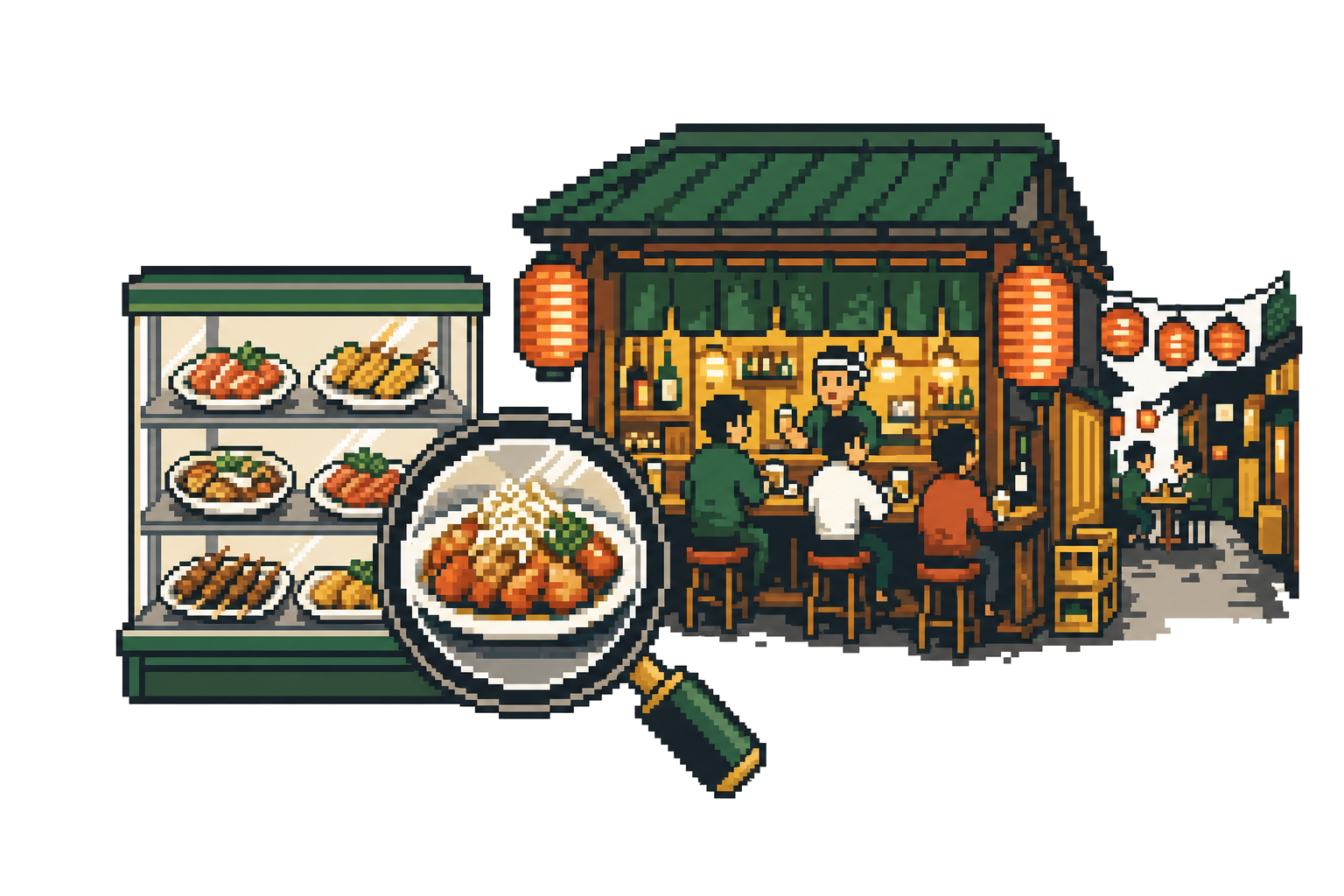
Decide whether Tokyo convenience-store food is worth the time, money, queue, and booking friction for this trip.

Yuki's Short Answer
For Tokyo convenience store food tourists, decide by value and friction together: price, queue, booking difficulty, tourist-trap risk, route fit, payment, last order, and one backup. The best choice is the one that fits the trip, not just the list.
Decision Table
| Signal or option | What it means for the trip |
|---|---|
| Best fit | onigiri, sandwiches, bento, late arrivals, breakfast backups, train snacks, and budget recovery meals |
| Main risk | using convenience stores for every meal or dismissing them when they are the best backup |
| Backup move | use convenience stores as a recovery tool, then anchor one real meal later in the day |
| OnlyLocal unlock | Traveler-safe value signal: price, queue, booking friction, tourist-trap risk, route fit, and backups |
Check value before fame
Tokyo convenience-store food can be worth it, but only when the meal fits your route, budget, timing, reservation path, and appetite.
Compare cost with recovery time
A cheap meal can become expensive if it burns an hour in the wrong area. A splurge can be worth it if the booking path, timing, and backup are clear.
Protect the plan with one backup
The backup should preserve the same mood. Use convenience stores as a recovery tool, then anchor one real meal later in the day.
Turn this into tonight's plan
OnlyLocal shows local-good picks with reservation friction, queue risk, language comfort, payment notes, and nearby backups.
Ask Yuki to plan tonight
FAQ
Is Tokyo convenience-store food good for tourists looking for food?
Yes, when the value is judged against your route, timing, queue tolerance, budget, and backup options instead of a list alone.
What should I check before going?
Check price, queue, booking path, payment, tourist-trap signals, last order, route fit, and a backup that preserves the same mood.
How much does a convenience store meal cost in Japan?
A filling convenience-store meal usually costs 500-1,000 yen, with onigiri around 120-250 yen, sandwiches roughly 250-400 yen, and hot bento boxes typically 450-700 yen. That makes konbini one of the cheapest reliable food sources in Tokyo. Staff will heat a bento for free if you ask, or nod when they offer.
Can I pay with a credit card or Suica at Japanese convenience stores?
Yes, the major chains accept credit cards, IC cards like Suica and Pasmo, and common QR payment apps, alongside cash. Convenience stores are among the most payment-flexible businesses in Japan. Their ATMs also accept most foreign cards, making them the standard place for travelers to withdraw yen.
Where am I supposed to eat convenience store food in Tokyo?
Use the store's eat-in counter if it has one, or find a bench in a park or plaza; eating while walking down the street is generally frowned upon in Japan. Eating on local commuter trains is also considered bad manners, though it is fine on the Shinkansen and other long-distance trains. Your hotel room is always a safe option, and stores provide chopsticks or cutlery on request.
Sources and Method
This guide is a traveler decision framework. Official facts are linked below; illustrative scenarios explain the decision process and are not live availability claims.
- ReferenceJapan National Tourism Organization: Japanese Food Etiquette Guideofficial traveler dining-etiquette context
- ReferenceTabelog English: Japan Food & Restaurant Guide for TravelersJapan-native restaurant discovery and reservation signal
- ReferenceTableCheck FastPass diner helpqueue and priority-seating friction
Value and Tourist-Trap Checks
Related Guides
 Tokyo Food Court vs Restaurant for Tourists
A practical traveler guide to Tokyo food court vs restaurant tourists, with queue, reservation, language, payment, timing, and backup-plan notes.
Tokyo Food Under 2000 Yen for Tourists
A practical traveler guide to Tokyo food under 2000 yen tourists, with queue, reservation, language, payment, timing, and backup-plan notes.
Tokyo Karaage and Casual Japanese Food for Tourists
A practical traveler guide to Tokyo karaage casual Japanese food tourists, with queue, reservation, language, payment, timing, and backup-plan notes.
Tokyo Food Court vs Restaurant for Tourists
A practical traveler guide to Tokyo food court vs restaurant tourists, with queue, reservation, language, payment, timing, and backup-plan notes.
Tokyo Food Under 2000 Yen for Tourists
A practical traveler guide to Tokyo food under 2000 yen tourists, with queue, reservation, language, payment, timing, and backup-plan notes.
Tokyo Karaage and Casual Japanese Food for Tourists
A practical traveler guide to Tokyo karaage casual Japanese food tourists, with queue, reservation, language, payment, timing, and backup-plan notes.