 OnlyLocal
Tokyo expensive restaurant worth it tourists
tokyo expensive restaurant: is it worth it for tourists?
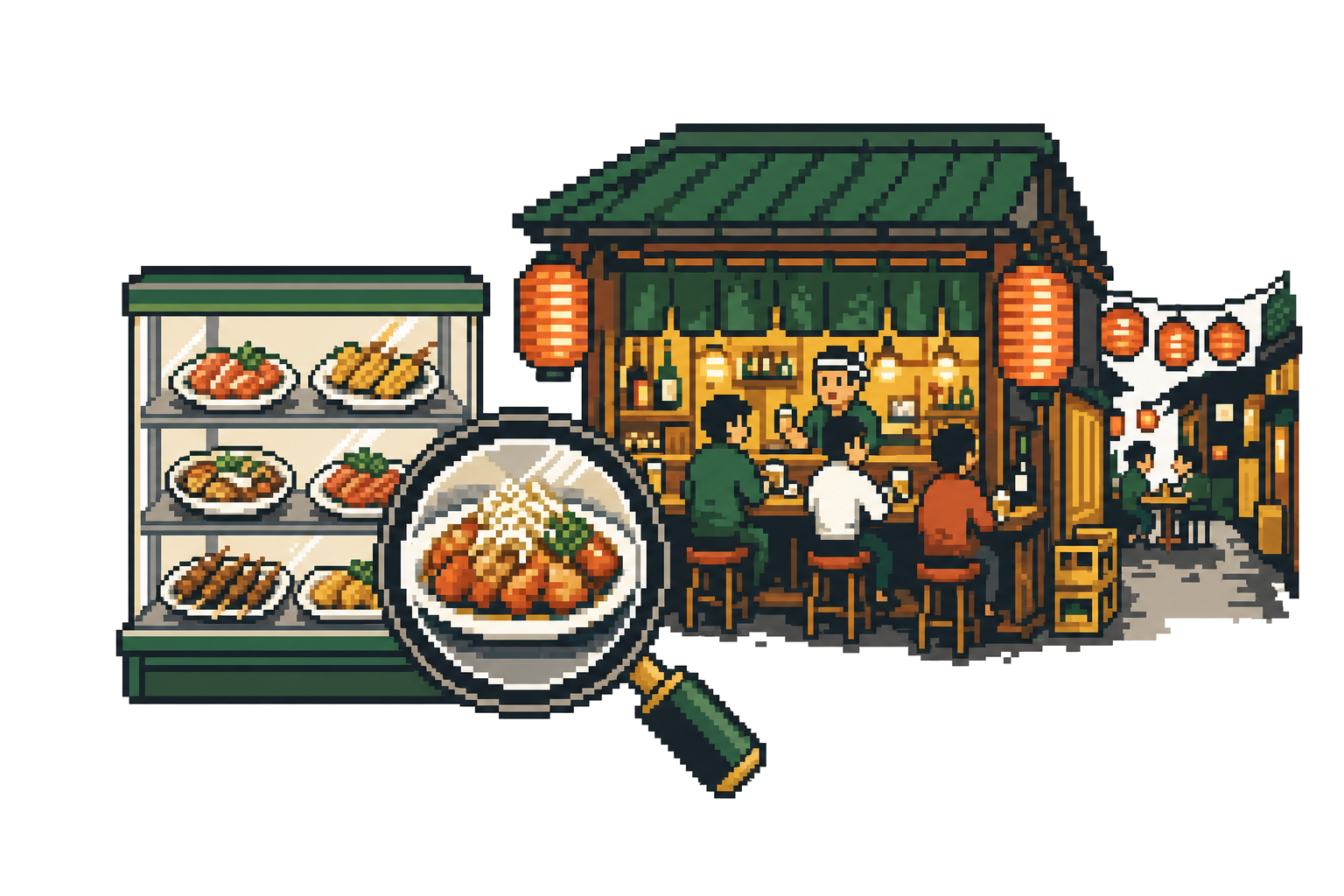
Decide whether Tokyo splurge dining is worth the time, money, queue, and booking friction for this trip.

Yuki's Short Answer
For Tokyo expensive restaurant worth it tourists, decide by value and friction together: price, queue, booking difficulty, tourist-trap risk, route fit, payment, last order, and one backup. The best choice is the one that fits the trip, not just the list.
Decision Table
| Signal or option | What it means for the trip |
|---|---|
| Best fit | omakase, wagyu, tempura, kaiseki, anniversary meals, lunch splurges, and lower-stress premium backups |
| Main risk | spending heavily because a place is famous while ignoring booking friction, cancellation rules, and trip fit |
| Backup move | compare a lunch splurge, a simpler premium format, and one easier reservation before committing |
| OnlyLocal unlock | Traveler-safe value signal: price, queue, booking friction, tourist-trap risk, route fit, and backups |
Check value before fame
Tokyo splurge dining can be worth it, but only when the meal fits your route, budget, timing, reservation path, and appetite.
Compare cost with recovery time
A cheap meal can become expensive if it burns an hour in the wrong area. A splurge can be worth it if the booking path, timing, and backup are clear.
Protect the plan with one backup
The backup should preserve the same mood. Compare a lunch splurge, a simpler premium format, and one easier reservation before committing.
Turn this into tonight's plan
OnlyLocal shows local-good picks with reservation friction, queue risk, language comfort, payment notes, and nearby backups.
Ask Yuki to plan tonight
FAQ
Is Tokyo splurge dining good for tourists looking for food?
Yes, when the value is judged against your route, timing, queue tolerance, budget, and backup options instead of a list alone.
What should I check before going?
Check price, queue, booking path, payment, tourist-trap signals, last order, route fit, and a backup that preserves the same mood.
How much does omakase sushi in Tokyo typically cost?
High-end dinner omakase commonly runs from around 15,000 yen to well over 30,000 yen per person, while mid-tier counters can be meaningfully less. Lunch omakase at the same kind of restaurant is often a fraction of the dinner price, which makes it the classic value move. Check whether tax, service, and drinks are included, since those can add noticeably to the final bill.
How do I book a high-end Tokyo restaurant if I don't speak Japanese?
Use your hotel concierge or an English-language booking platform, since many top restaurants only take reservations by phone in Japanese or through partner services. Concierges can usually call on your behalf and relay dietary notes, and some restaurants actually prefer hotel-mediated bookings for overseas guests. Start this process early, because prime seats can fill weeks ahead.
Do expensive Japanese restaurants charge cancellation fees?
Many do, and no-shows or same-day cancellations at omakase and kaiseki restaurants often incur a fee that can approach the full course price. Booking platforms frequently take card details upfront specifically to enforce this. Confirm the cancellation window when you book and treat a high-end reservation as a fixed anchor in your itinerary.
Sources and Method
This guide is a traveler decision framework. Official facts are linked below; illustrative scenarios explain the decision process and are not live availability claims.
- ReferenceJapan National Tourism Organization: Japanese Food Etiquette Guideofficial traveler dining-etiquette context
- ReferenceTabelog English: Japan Food & Restaurant Guide for TravelersJapan-native restaurant discovery and reservation signal
- ReferenceTableCheck FastPass diner helpqueue and priority-seating friction
Value and Tourist-Trap Checks
Related Guides
 Tokyo Food Court vs Restaurant for Tourists
A practical traveler guide to Tokyo food court vs restaurant tourists, with queue, reservation, language, payment, timing, and backup-plan notes.
Tokyo New Year Restaurants for Tourists
A practical traveler guide to Tokyo New Year restaurants tourists, with queue, reservation, language, payment, timing, and backup-plan notes.
Kyoto Restaurant Reservations for Tourists
A practical traveler guide to Kyoto restaurants reservation tourists, with queue, reservation, language, payment, timing, and backup-plan notes.
Tokyo Food Court vs Restaurant for Tourists
A practical traveler guide to Tokyo food court vs restaurant tourists, with queue, reservation, language, payment, timing, and backup-plan notes.
Tokyo New Year Restaurants for Tourists
A practical traveler guide to Tokyo New Year restaurants tourists, with queue, reservation, language, payment, timing, and backup-plan notes.
Kyoto Restaurant Reservations for Tourists
A practical traveler guide to Kyoto restaurants reservation tourists, with queue, reservation, language, payment, timing, and backup-plan notes.