 OnlyLocal
Tokyo halal food tourists
tokyo halal food for tourists
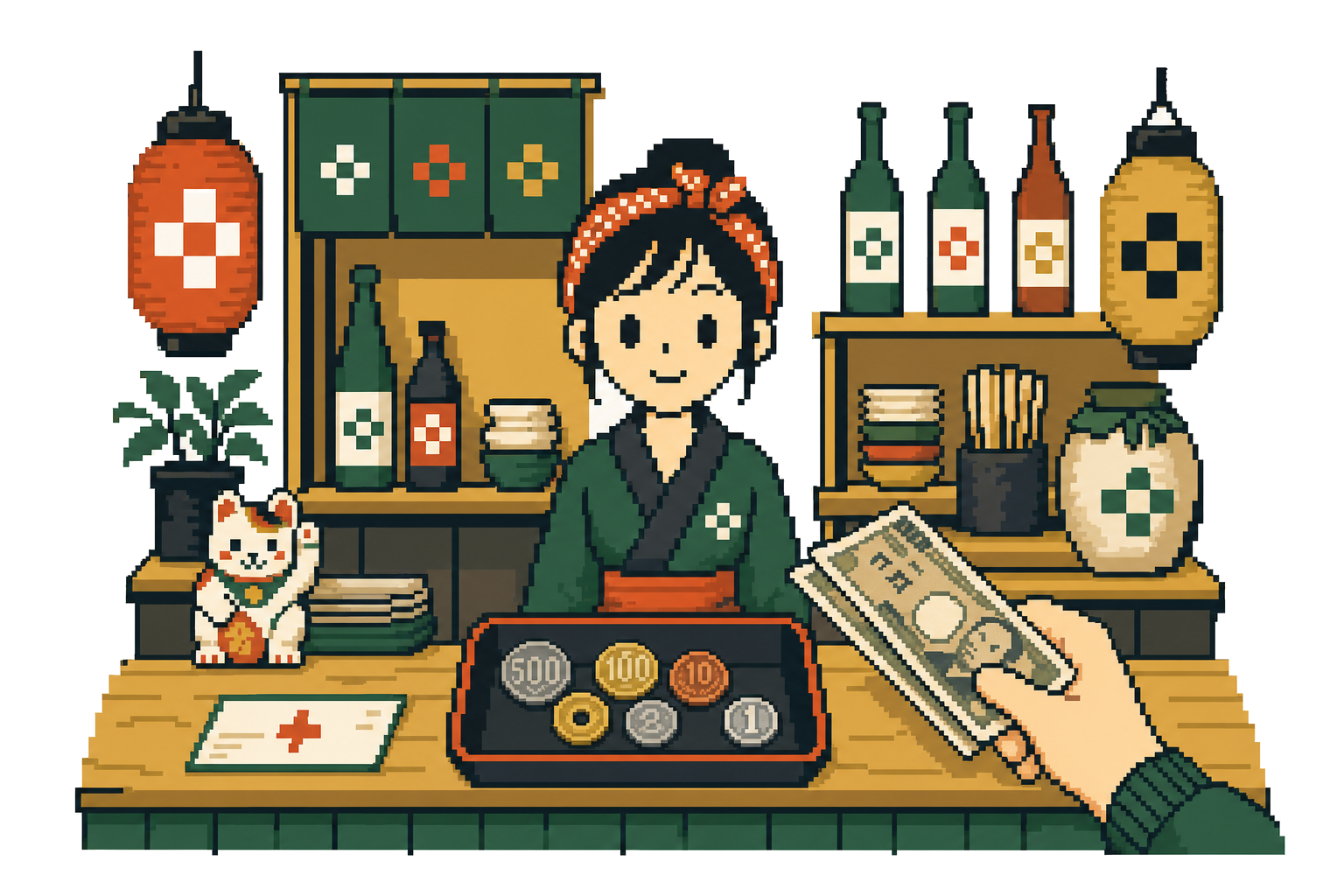
Reduce Tokyo halal dining friction before ordering, paying, or asking for help becomes stressful.

Yuki's Short Answer
For Tokyo halal food tourists, treat comfort signals as planning tools, not guarantees. Check language support, menu clarity, payment method, group or solo fit, ingredient uncertainty, timing, and one backup before committing.
Decision Table
| Signal or option | What it means for the trip |
|---|---|
| Best fit | halal-certified restaurants, Muslim-friendly menus, prayer-aware routes, station-area backups, and ingredient confirmation |
| Main risk | treating Muslim-friendly wording as the same as certified halal without checking the restaurant's exact claim |
| Backup move | prioritize clearly certified or explicit-menu options and keep one easier backup near your route |
| OnlyLocal unlock | Traveler-safe comfort signal: language, menu clarity, payment, group fit, ingredient uncertainty, and backups |
Check the comfort friction first
Tokyo halal dining can change a meal from easy to awkward fast. Check menu clarity, payment method, communication needs, seating format, and backup options before you enter.
Use comfort as one signal
Picture menus, IC card stickers, counter seats, and English notes are useful clues, but they do not replace queue, price, last order, and backup checks.
Protect the plan with one backup
The backup should preserve the same mood. Prioritize clearly certified or explicit-menu options and keep one easier backup near your route.
Turn this into tonight's plan
OnlyLocal shows local-good picks with reservation friction, queue risk, language comfort, payment notes, and nearby backups.
Ask Yuki to plan tonight
FAQ
Is Tokyo halal dining good for tourists looking for food?
Often yes, but comfort depends on the exact restaurant, staff bandwidth, payment method, seating format, and how much communication your meal requires.
What should I check before going?
Check menu clarity, payment method, ingredient uncertainty, seat format, group fit, last order, and one nearby backup that feels easier.
Is sushi or plain seafood in Japan halal-friendly?
Plain seafood itself is generally acceptable to most halal-conscious travelers, but standard sushi comes with caveats: soy sauce typically contains alcohol from fermentation, and mirin, a sweet rice wine, is used widely in Japanese cooking. Sushi rice is also seasoned with vinegar, which some travelers scrutinize. If these details matter to you, halal-certified restaurants remove the guesswork entirely.
Do halal restaurants in Tokyo need reservations?
Booking ahead for dinner is wise, because certified halal restaurants are relatively few, often small, and popular with groups and families. Weekends and Muslim travel seasons see them fill fastest. For lunch you have more walk-in flexibility, but calling or booking online the day before removes the risk of a wasted cross-town trip.
Can halal-conscious travelers eat anything from Japanese convenience stores?
Only selectively, since almost nothing in a convenience store is halal-certified and many items contain pork-derived ingredients, meat extracts, or alcohol-based seasonings. Plain items like certain onigiri, bread, fruit, yogurt, and snacks can work if you check labels with a translation app. Treat convenience stores as a careful snack stop rather than a full meal solution.
Sources and Method
This guide is a traveler decision framework. Official facts are linked below; illustrative scenarios explain the decision process and are not live availability claims.
- ReferenceJapan National Tourism Organization: Japanese Food Etiquette Guideofficial traveler dining-etiquette context
- ReferenceTabelog English: Japan Food & Restaurant Guide for TravelersJapan-native restaurant discovery and reservation signal
Comfort and Payment
Related Guides
 Tokyo Izakaya Etiquette for Tourists
A practical traveler guide to Tokyo izakaya etiquette tourists, with queue, reservation, language, payment, timing, and backup-plan notes.
Tokyo Kid-Friendly Restaurants for Tourists
A practical traveler guide to Tokyo kid-friendly restaurants tourists, with queue, reservation, language, payment, timing, and backup-plan notes.
Tokyo No-Smoking Restaurants for Tourists
A practical traveler guide to Tokyo no smoking restaurants tourists, with queue, reservation, language, payment, timing, and backup-plan notes.
Tokyo Izakaya Etiquette for Tourists
A practical traveler guide to Tokyo izakaya etiquette tourists, with queue, reservation, language, payment, timing, and backup-plan notes.
Tokyo Kid-Friendly Restaurants for Tourists
A practical traveler guide to Tokyo kid-friendly restaurants tourists, with queue, reservation, language, payment, timing, and backup-plan notes.
Tokyo No-Smoking Restaurants for Tourists
A practical traveler guide to Tokyo no smoking restaurants tourists, with queue, reservation, language, payment, timing, and backup-plan notes.