 OnlyLocal
Tokyo restaurant allergy card tourists
tokyo restaurant allergy card for tourists
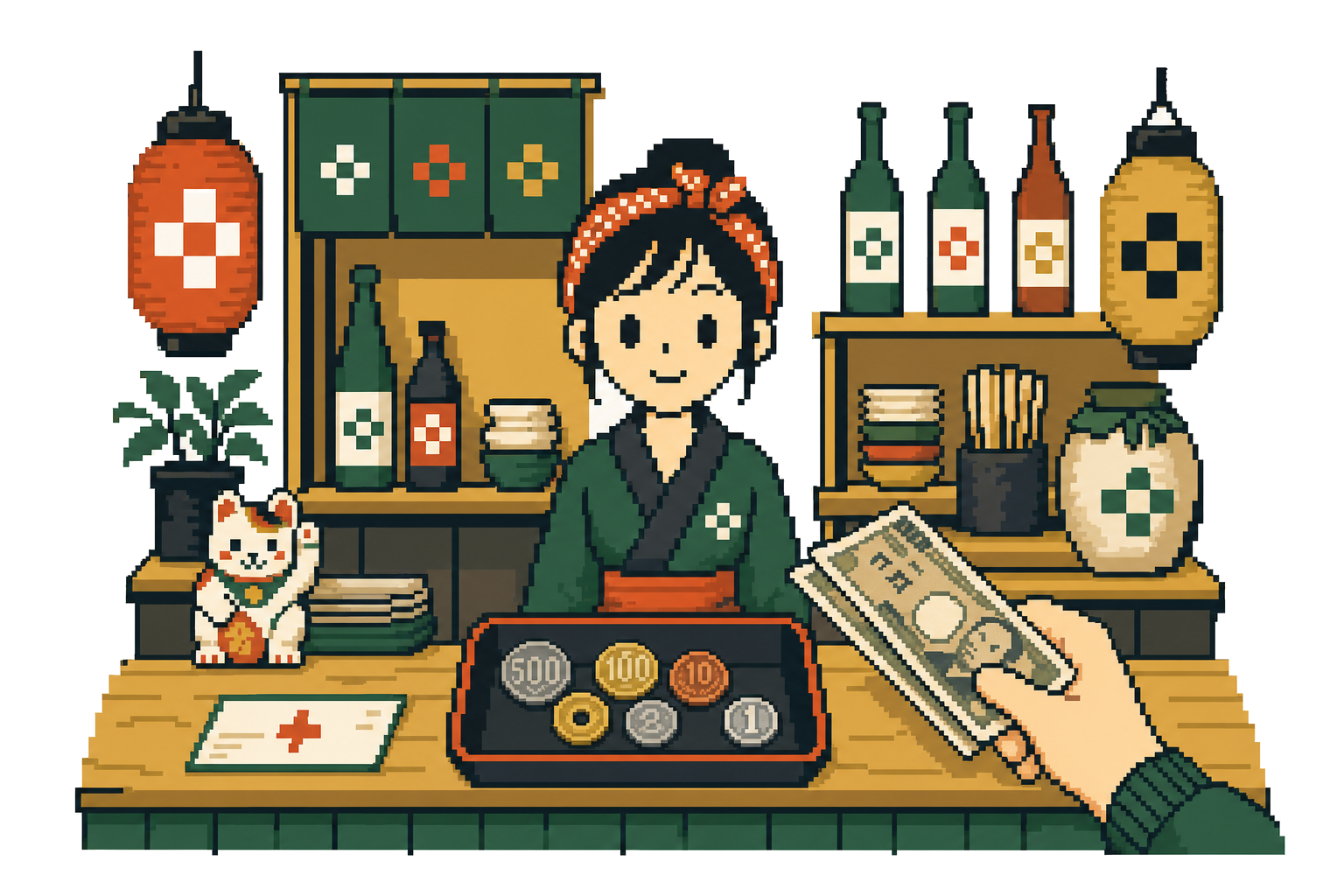
Reduce Tokyo allergy communication friction before ordering, paying, or asking for help becomes stressful.

Yuki's Short Answer
For Tokyo restaurant allergy card tourists, treat comfort signals as planning tools, not guarantees. Check language support, menu clarity, payment method, group or solo fit, ingredient uncertainty, timing, and one backup before committing.
Decision Table
| Signal or option | What it means for the trip |
|---|---|
| Best fit | allergy cards, ingredient questions, simple menus, hotel help, safer-format restaurants, and backup meals |
| Main risk | assuming a translated allergy card guarantees that a restaurant can safely serve you |
| Backup move | choose lower-communication-risk restaurants and keep a simple backup meal where ingredients are easier to confirm |
| OnlyLocal unlock | Traveler-safe comfort signal: language, menu clarity, payment, group fit, ingredient uncertainty, and backups |
Check the comfort friction first
Tokyo allergy communication can change a meal from easy to awkward fast. Check menu clarity, payment method, communication needs, seating format, and backup options before you enter.
Use comfort as one signal
Picture menus, IC card stickers, counter seats, and English notes are useful clues, but they do not replace queue, price, last order, and backup checks.
Protect the plan with one backup
The backup should preserve the same mood. Choose lower-communication-risk restaurants and keep a simple backup meal where ingredients are easier to confirm.
Turn this into tonight's plan
OnlyLocal shows local-good picks with reservation friction, queue risk, language comfort, payment notes, and nearby backups.
Ask Yuki to plan tonight
FAQ
Is Tokyo allergy communication good for tourists looking for food?
Often yes, but comfort depends on the exact restaurant, staff bandwidth, payment method, seating format, and how much communication your meal requires.
What should I check before going?
Check menu clarity, payment method, ingredient uncertainty, seat format, group fit, last order, and one nearby backup that feels easier.
What Japanese ingredients commonly hide allergens?
Soy sauce contains both wheat and soy, dashi stock made from fish underlies most soups and sauces, and fried items often share a fryer with other foods. Soba noodles are a serious cross-contact risk for buckwheat allergies, since they are sometimes boiled in the same water as other noodles. These background ingredients are why a translated card alone cannot guarantee a dish is safe.
Are chain restaurants safer for food allergies in Japan?
Often yes, because many national chains publish allergen charts online or in-store covering Japan's major regulated allergens. Packaged food at convenience stores also carries mandatory allergen labeling, which makes it a reliable fallback meal. Small independent restaurants can be wonderful but have less documentation, so they require more conversation and more caution.
When should I show my allergy card at a restaurant?
Show it before you order, ideally as you are seated or at the door, so staff can check with the kitchen before anything is prepared. Off-peak visits are safer, because staff at the 7 to 8:30pm dinner rush have little bandwidth to verify ingredients. If the response feels uncertain rather than confident, thank them and move to your backup rather than negotiating.
Sources and Method
This guide is a traveler decision framework. Official facts are linked below; illustrative scenarios explain the decision process and are not live availability claims.
- ReferenceJapan National Tourism Organization: Japanese Food Etiquette Guideofficial traveler dining-etiquette context
- ReferenceTabelog English: Japan Food & Restaurant Guide for TravelersJapan-native restaurant discovery and reservation signal
Comfort and Payment
Related Guides
 Tokyo Kid-Friendly Restaurants for Tourists
A practical traveler guide to Tokyo kid-friendly restaurants tourists, with queue, reservation, language, payment, timing, and backup-plan notes.
Tokyo No-Smoking Restaurants for Tourists
A practical traveler guide to Tokyo no smoking restaurants tourists, with queue, reservation, language, payment, timing, and backup-plan notes.
Tokyo Restaurant Cover Charge for Tourists
A practical traveler guide to Tokyo restaurant cover charge tourists, with queue, reservation, language, payment, timing, and backup-plan notes.
Tokyo Kid-Friendly Restaurants for Tourists
A practical traveler guide to Tokyo kid-friendly restaurants tourists, with queue, reservation, language, payment, timing, and backup-plan notes.
Tokyo No-Smoking Restaurants for Tourists
A practical traveler guide to Tokyo no smoking restaurants tourists, with queue, reservation, language, payment, timing, and backup-plan notes.
Tokyo Restaurant Cover Charge for Tourists
A practical traveler guide to Tokyo restaurant cover charge tourists, with queue, reservation, language, payment, timing, and backup-plan notes.