 OnlyLocal
Tokyo soba for tourists
tokyo soba for tourists
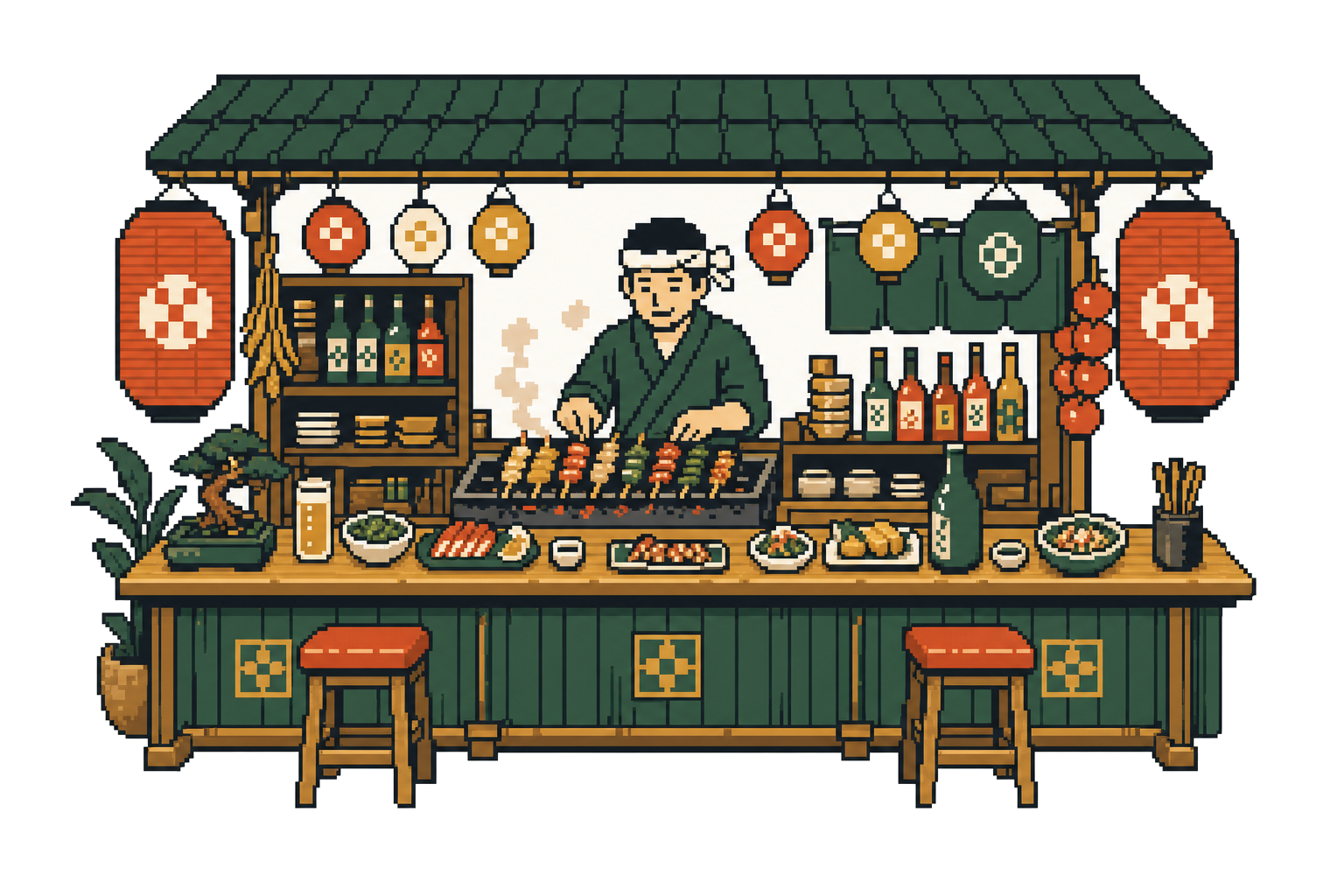
Make a realistic Tokyo soba food decision without losing time to full restaurants or confusing local signals.

Yuki's Short Answer
For Tokyo soba for tourists, start with friction before fame: location, queue, reservation need, language comfort, payment, last order, and nearby backups. In Tokyo soba, the best choice is the one that fits tonight's constraints and still gives you a same-mood recovery path.
Decision Table
| Signal or option | What it means for the trip |
|---|---|
| Best fit | cold soba, tempura soba, quick lunches, traditional shops, cash checks, and low-stress backups |
| Main risk | walking into a traditional soba shop without checking menu comfort, payment, or whether it fits the meal mood |
| Backup move | choose quick lunch or traditional meal first and keep a simple noodle backup |
| OnlyLocal unlock | Traveler-safe local signal: queue, reservation friction, language comfort, payment, timing, and backups |
Choose the area shape first
Tokyo soba has good options, but the wrong route can waste the night. Start from where you already are, then choose a compact cluster with several realistic second choices.
Filter by friction before rating
Star ratings and famous lists help, but travelers also need to know whether entry, payment, menu reading, and timing will actually work.
Protect the plan with one backup
The backup should preserve the same mood. Choose quick lunch or traditional meal first and keep a simple noodle backup.
Turn this into tonight's plan
OnlyLocal shows local-good picks with reservation friction, queue risk, language comfort, payment notes, and nearby backups.
Ask Yuki to plan tonight
FAQ
Is Tokyo soba good for tourists looking for food?
Yes, if you filter for practical fit instead of chasing only the most famous result. Tokyo soba can work well when you keep a nearby backup.
What should I check before going?
Check reservation need, recent queue notes, payment, last order, group size, and whether there is a same-mood option nearby.
Is it rude to slurp soba in Japan?
No, slurping soba is completely normal in Japan and is the standard way locals eat noodles. It cools the noodles and is often said to carry the aroma, so no one will look twice. The actual etiquette points are simpler: do not leave chopsticks standing upright in rice, and return trays at self-service shops.
How much does soba cost in Tokyo?
Standing soba shops in and around stations serve bowls from roughly 400 to 700 yen, sit-down neighborhood shops typically run about 800 to 1,500 yen, and artisan handmade-soba restaurants charge more. The cheap end is genuinely good for a fast meal, not a compromise. Many small soba shops remain cash-friendly, so have coins or small bills ready.
Is soba a good quick lunch between sightseeing stops in Tokyo?
Yes, soba is one of the fastest sit-down or standing meals in Tokyo, with station shops serving a bowl within minutes of ordering. One caution: some artisan soba shops make a fixed batch of noodles and close early once they sell out, so respected places are safer at the start of lunch than the end. If speed is the priority, the station standing format is the reliable choice.
Sources and Method
This guide is a traveler decision framework. Official facts are linked below; illustrative scenarios explain the decision process and are not live availability claims.
- ReferenceJapan National Tourism Organization: Japanese Food Etiquette Guideofficial traveler dining-etiquette context
- ReferenceTabelog English: Japan Food & Restaurant Guide for TravelersJapan-native restaurant discovery and reservation signal
Tokyo Food Without Regret
Related Guides
 Tokyo Autumn Food Events for Tourists
A practical traveler guide to Tokyo autumn food events tourists, with queue, reservation, language, payment, timing, and backup-plan notes.
Tokyo Date Night Restaurants for Tourists
A practical traveler guide to Tokyo date night restaurants tourists, with queue, reservation, language, payment, timing, and backup-plan notes.
Tokyo Department Store Food Floors for Tourists
A practical traveler guide to Tokyo department store food floor tourists, with queue, reservation, language, payment, timing, and backup-plan notes.
Tokyo Autumn Food Events for Tourists
A practical traveler guide to Tokyo autumn food events tourists, with queue, reservation, language, payment, timing, and backup-plan notes.
Tokyo Date Night Restaurants for Tourists
A practical traveler guide to Tokyo date night restaurants tourists, with queue, reservation, language, payment, timing, and backup-plan notes.
Tokyo Department Store Food Floors for Tourists
A practical traveler guide to Tokyo department store food floor tourists, with queue, reservation, language, payment, timing, and backup-plan notes.