 OnlyLocal
Tokyo sushi lunch tourists
tokyo sushi lunch for tourists
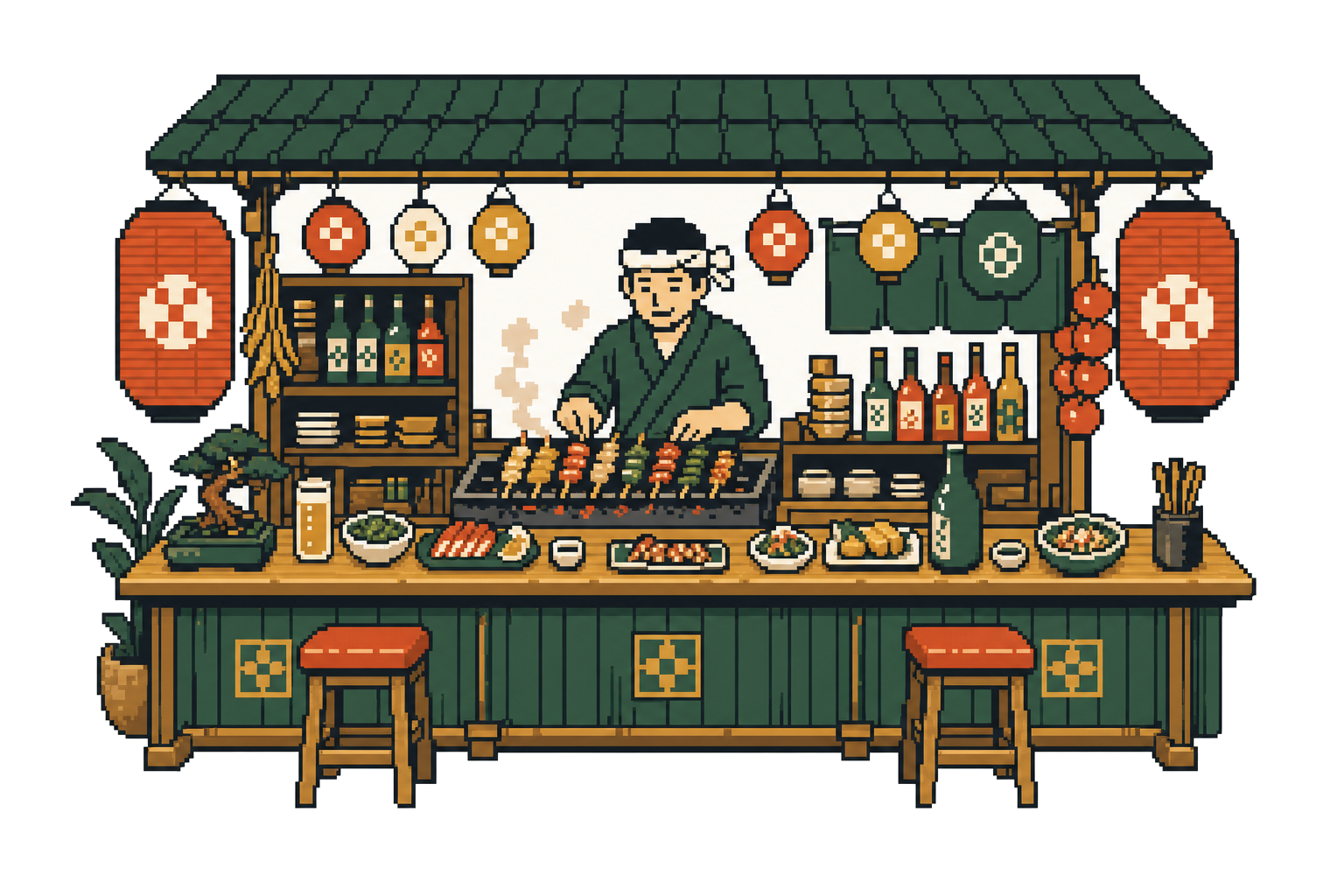
Make a realistic Tokyo sushi lunch food decision without losing time to full restaurants or confusing local signals.

Yuki's Short Answer
For Tokyo sushi lunch tourists, start with friction before fame: location, queue, reservation need, language comfort, payment, last order, and nearby backups. In Tokyo sushi lunch, the best choice is the one that fits tonight's constraints and still gives you a same-mood recovery path.
Decision Table
| Signal or option | What it means for the trip |
|---|---|
| Best fit | sushi lunch sets, standing sushi, casual counters, Ginza lunch, market-area sushi, and reservation-light options |
| Main risk | saving sushi for a hard dinner reservation when lunch would be cheaper and easier |
| Backup move | choose a lunch format first, then keep a casual sushi or department-store option nearby |
| OnlyLocal unlock | Traveler-safe local signal: queue, reservation friction, language comfort, payment, timing, and backups |
Choose the area shape first
Tokyo sushi lunch has good options, but the wrong route can waste the night. Start from where you already are, then choose a compact cluster with several realistic second choices.
Filter by friction before rating
Star ratings and famous lists help, but travelers also need to know whether entry, payment, menu reading, and timing will actually work.
Protect the plan with one backup
The backup should preserve the same mood. Choose a lunch format first, then keep a casual sushi or department-store option nearby.
Turn this into tonight's plan
OnlyLocal shows local-good picks with reservation friction, queue risk, language comfort, payment notes, and nearby backups.
Ask Yuki to plan tonight
FAQ
Is Tokyo sushi lunch good for tourists looking for food?
Yes, if you filter for practical fit instead of chasing only the most famous result. Tokyo sushi lunch can work well when you keep a nearby backup.
What should I check before going?
Check reservation need, recent queue notes, payment, last order, group size, and whether there is a same-mood option nearby.
How much does a sushi lunch cost in Tokyo?
A quality sushi lunch set in Tokyo commonly costs about 1,500-4,000 yen, far below the 10,000-plus yen the same counters often charge at dinner. Conveyor-belt sushi is cheaper still, with plates often starting around 100-300 yen each. Lunch is generally the best-value window for trying a proper counter without a splurge.
Do I need a reservation for sushi lunch in Tokyo?
Usually not for casual sets, standing sushi, or conveyor-belt shops, which run on walk-in queues rather than bookings. High-end counters serving a lunch omakase are the exception and may still require reserving days ahead. If you want a specific mid-range counter, arriving 10-15 minutes before it opens is often enough.
What is the basic etiquette at a sushi counter?
Eat each piece soon after it is served, ideally in one bite, and dip the fish side rather than the rice side if soy sauce is offered. Eating nigiri with your hands is perfectly acceptable, and heavy perfume is best avoided at small counters. There is no tipping; a clear thank-you (gochisosama deshita) when leaving is the appreciated gesture.
Sources and Method
This guide is a traveler decision framework. Official facts are linked below; illustrative scenarios explain the decision process and are not live availability claims.
- ReferenceJapan National Tourism Organization: Japanese Food Etiquette Guideofficial traveler dining-etiquette context
- ReferenceTabelog English: Japan Food & Restaurant Guide for TravelersJapan-native restaurant discovery and reservation signal
- ReferenceJapan National Tourism Organization: Sushi in Japan Guideofficial sushi formats, price range, reservation, and etiquette context
- ReferenceGO TOKYO: A Guide to Eating Sushi in Tokyoofficial Tokyo sushi tiers, indicative prices, and etiquette
Tokyo Food Without Regret
Related Guides
 Tokyo Kaiten Conveyor Sushi for Tourists: Which Chain to Choose
How travelers should choose conveyor belt sushi in Tokyo, including English ordering, queue risk, price clarity, and backup options.
Tokyo Autumn Food Events for Tourists
A practical traveler guide to Tokyo autumn food events tourists, with queue, reservation, language, payment, timing, and backup-plan notes.
Tokyo Date Night Restaurants for Tourists
A practical traveler guide to Tokyo date night restaurants tourists, with queue, reservation, language, payment, timing, and backup-plan notes.
Tokyo Kaiten Conveyor Sushi for Tourists: Which Chain to Choose
How travelers should choose conveyor belt sushi in Tokyo, including English ordering, queue risk, price clarity, and backup options.
Tokyo Autumn Food Events for Tourists
A practical traveler guide to Tokyo autumn food events tourists, with queue, reservation, language, payment, timing, and backup-plan notes.
Tokyo Date Night Restaurants for Tourists
A practical traveler guide to Tokyo date night restaurants tourists, with queue, reservation, language, payment, timing, and backup-plan notes.