 OnlyLocal
Japan itinerary food planning
japan itinerary food planning for travelers
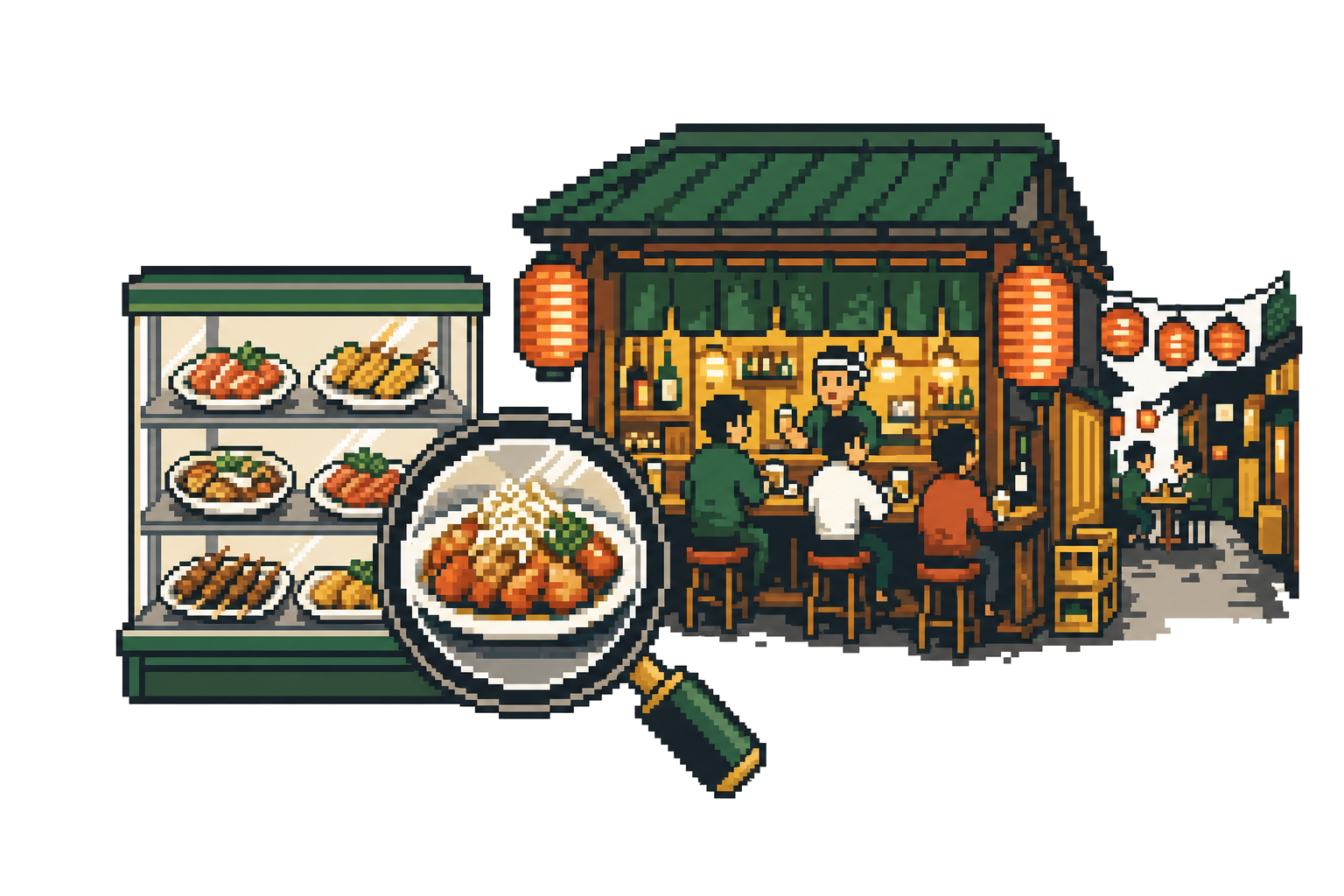
Decide whether Japan trip food planning is worth the time, money, queue, and booking friction for this trip.

Yuki's Short Answer
For Japan itinerary food planning, decide by value and friction together: price, queue, booking difficulty, tourist-trap risk, route fit, payment, last order, and one backup. The best choice is the one that fits the trip, not just the list.
Decision Table
| Signal or option | What it means for the trip |
|---|---|
| Best fit | Tokyo dinner anchors, Kyoto reservation days, Osaka food nights, attraction pairings, and backup meals |
| Main risk | planning sightseeing in detail but leaving every meal to a tired last-minute search |
| Backup move | anchor one meal per day and keep flexible same-area backups instead of overbooking every slot |
| OnlyLocal unlock | Traveler-safe value signal: price, queue, booking friction, tourist-trap risk, route fit, and backups |
Check value before fame
Japan trip food planning can be worth it, but only when the meal fits your route, budget, timing, reservation path, and appetite.
Compare cost with recovery time
A cheap meal can become expensive if it burns an hour in the wrong area. A splurge can be worth it if the booking path, timing, and backup are clear.
Protect the plan with one backup
The backup should preserve the same mood. Anchor one meal per day and keep flexible same-area backups instead of overbooking every slot.
Turn this into tonight's plan
OnlyLocal shows local-good picks with reservation friction, queue risk, language comfort, payment notes, and nearby backups.
Ask Yuki to plan tonight
FAQ
Is Japan trip food planning good for tourists looking for food?
Yes, when the value is judged against your route, timing, queue tolerance, budget, and backup options instead of a list alone.
What should I check before going?
Check price, queue, booking path, payment, tourist-trap signals, last order, route fit, and a backup that preserves the same mood.
What is a realistic daily food budget for a Japan trip?
Around 3,000 to 6,000 yen per person per day covers comfortable eating that mixes cheap staples like ramen and convenience-store breakfasts with one nicer meal. Add a separate line for any splurge dinners, since a single omakase or kaiseki can exceed several ordinary days of food. Budgeting per day rather than per meal keeps the plan flexible when one meal runs over.
When do restaurant reservations open in Japan?
Booking windows commonly open one to three months ahead, and some sought-after restaurants release each month's seats on a set day and fill within hours. Casual restaurants often take bookings just days ahead or not at all. Identify your two or three must-book meals early in planning and set reminders for their opening dates.
How should I handle meals on travel days with luggage?
Eat inside or next to the station, where coin lockers, restaurant floors, and bento shops are all within a few minutes of your platform. Dragging suitcases to a small backstreet restaurant rarely works, since many places have no space for large bags. Buying an ekiben to eat on the shinkansen is a legitimate and enjoyable travel-day dinner plan.
Sources and Method
This guide is a traveler decision framework. Official facts are linked below; illustrative scenarios explain the decision process and are not live availability claims.
- ReferenceJapan National Tourism Organization: Japanese Food Etiquette Guideofficial traveler dining-etiquette context
- ReferenceTabelog English: Japan Food & Restaurant Guide for TravelersJapan-native restaurant discovery and reservation signal
- ReferenceTableCheck FastPass diner helpqueue and priority-seating friction
Value and Tourist-Trap Checks
Related Guides
 Tokyo Convenience Store Food for Tourists
A practical traveler guide to Tokyo convenience store food tourists, with queue, reservation, language, payment, timing, and backup-plan notes.
Tokyo Food Court vs Restaurant for Tourists
A practical traveler guide to Tokyo food court vs restaurant tourists, with queue, reservation, language, payment, timing, and backup-plan notes.
Tokyo Food Under 2000 Yen for Tourists
A practical traveler guide to Tokyo food under 2000 yen tourists, with queue, reservation, language, payment, timing, and backup-plan notes.
Tokyo Convenience Store Food for Tourists
A practical traveler guide to Tokyo convenience store food tourists, with queue, reservation, language, payment, timing, and backup-plan notes.
Tokyo Food Court vs Restaurant for Tourists
A practical traveler guide to Tokyo food court vs restaurant tourists, with queue, reservation, language, payment, timing, and backup-plan notes.
Tokyo Food Under 2000 Yen for Tourists
A practical traveler guide to Tokyo food under 2000 yen tourists, with queue, reservation, language, payment, timing, and backup-plan notes.