 OnlyLocal
Tokyo restaurant rejected overseas reservation
Tokyo restaurant rejected your overseas reservation? what to do
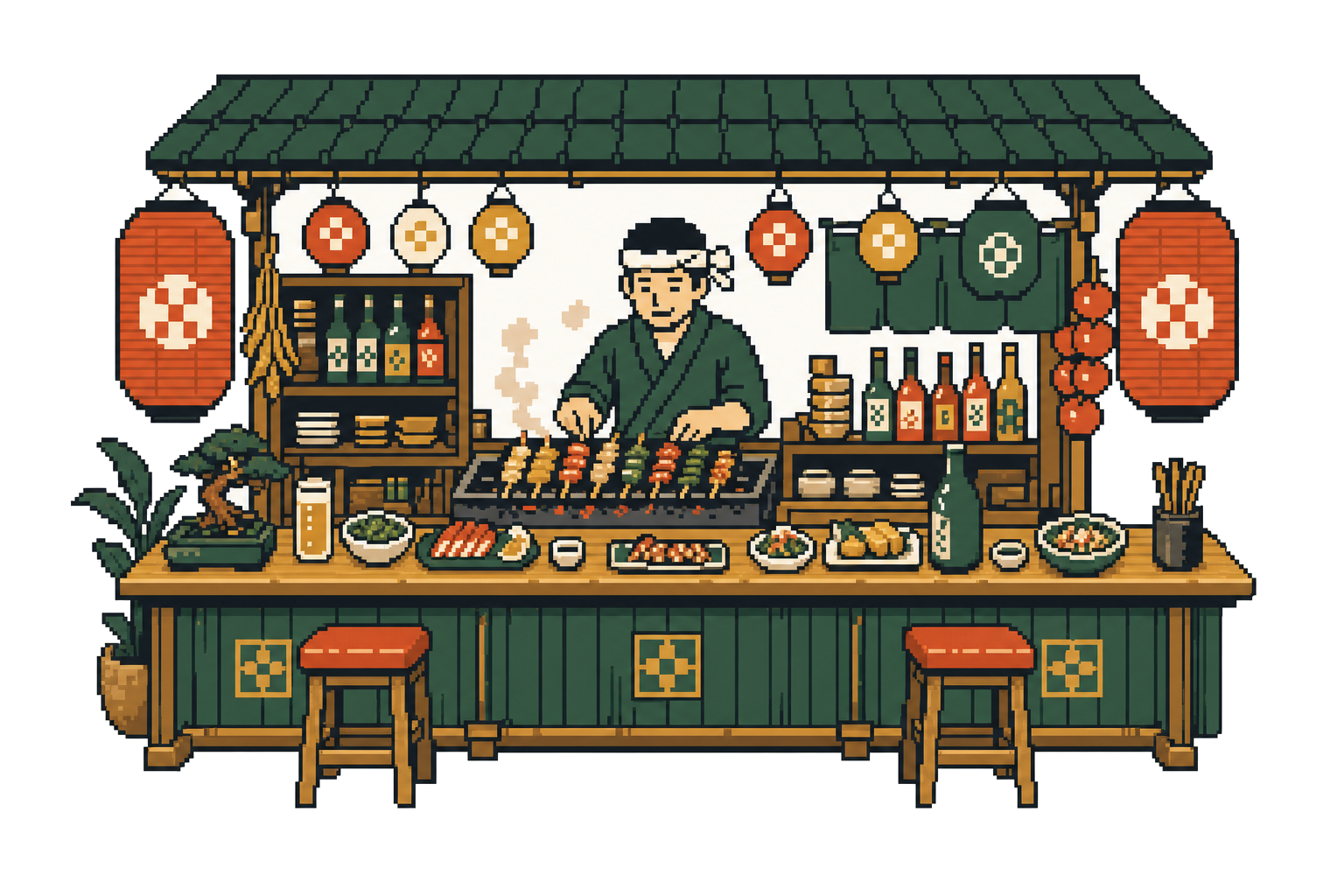
Recover when a Tokyo restaurant will not take your booking from abroad.

Yuki's Short Answer
If a Tokyo restaurant rejects overseas reservations, do not assume you are personally banned. Many small counters and premium venues now prefer hotel concierge, card-company, or vetted booking paths because no-shows are expensive. Your next move is to identify the venue tier, choose the realistic booking channel, and keep a same-mood backup.
Decision Table
| Signal or option | What it means for the trip |
|---|---|
| Most likely reason | No-show risk, phone-only operations, small seat count, or concierge-only policy |
| Best first move | Check whether online booking, hotel concierge, TABLEALL, TableCheck, or Pocket Concierge is accepted |
| Risk to avoid | Emailing repeatedly without a backup while the trip date gets closer |
| OnlyLocal unlock | Booking-path triage, concierge-gated alternatives, language friction, and same-mood backups |
Treat rejection as a booking-path signal
A rejection often means the restaurant does not want unmanaged overseas risk, not that travelers cannot eat there. Small omakase, kaiseki, and chef-counter venues can lose a full night's revenue when a party no-shows, so they route strangers through trusted intermediaries.
Choose the channel by venue tier
For premium counters, try the hotel's concierge, a credit-card concierge, or a Japan-focused booking platform. For casual restaurants, online slots, same-day walk-in windows, or a nearby alternative may be faster than forcing one hard reservation.
Keep the backup emotionally similar
If the rejected place was sushi, your backup should still feel like sushi or a high-quality Japanese dinner. The trip feels less disappointing when the fallback keeps the same mood, budget range, and neighborhood plan.
Turn this into tonight's plan
OnlyLocal shows local-good picks with reservation friction, queue risk, language comfort, payment notes, and nearby backups.
Ask Yuki to plan tonight
FAQ
Why do Tokyo restaurants reject overseas reservations?
Common reasons include no-show risk, limited seats, phone-only operations, prepaid-course rules, language friction, or a policy that only accepts hotel concierge bookings.
Can a hotel concierge help if I am not staying at that hotel?
Usually no. Concierge help is normally tied to your stay because the hotel is staking its relationship and contact details on the booking.
Do concierge and booking services for hard Tokyo reservations charge extra fees?
Usually yes; platforms and concierge-style services that secure difficult reservations typically add a booking fee or a markup on top of the course price. That premium is the trade for access, no-show protection, and English support. Decide whether the specific meal justifies the extra cost, or whether a similar-mood restaurant with normal online booking serves the trip better.
Will emailing a Tokyo restaurant in Japanese improve my chances of getting a table?
Usually not by itself, because rejection policies are about no-show risk and operational trust, not the language of your message. A machine-translated email does not change the restaurant's risk calculation the way a hotel concierge or established booking platform does. Your effort is better spent finding the channel the restaurant actually accepts.
Is it worth checking for last-minute cancellations at fully booked Tokyo restaurants?
Sometimes; cancellation seats do open up on booking platforms anywhere from a few days to a few hours before the seating, especially at places with card-guarantee policies. Checking once or twice a day in the final stretch is reasonable, and some platforms offer waitlist notifications. Treat any opening as a bonus, and keep your confirmed backup plan intact until you actually hold the seat.
Sources and Method
This guide is a traveler decision framework. Official facts are linked below; illustrative scenarios explain the decision process and are not live availability claims.
- ReferenceJapan National Tourism Organization: Japanese Food Etiquette Guideofficial traveler dining-etiquette context
- ReferenceTabelog English: Japan Food & Restaurant Guide for TravelersJapan-native restaurant discovery and reservation signal
- ReferenceTableCheck FastPass diner helpqueue and priority-seating friction
Tokyo Food Without Regret
Related Guides
 Tokyo Restaurants Without Reservations: A Walk-In Plan (2026)
Find Tokyo restaurants that work without reservations. Choose the right format, time and area, then check queue, language, payment, last order and a nearby backup.
What Is OnlyLocal? Tokyo Restaurant Search, Yuki, and the Request Pass Explained
What OnlyLocal is, what is free, what the Tokyo Restaurant Request Pass costs, who builds it, and how it differs from Tabelog and Google Maps.
Book a Tokyo Restaurant for Tonight: Same-Day Options That Work
How travelers can book or recover a Tokyo dinner on the same day, with realistic reservation apps, walk-in windows, and backup plans.
Tokyo Restaurants Without Reservations: A Walk-In Plan (2026)
Find Tokyo restaurants that work without reservations. Choose the right format, time and area, then check queue, language, payment, last order and a nearby backup.
What Is OnlyLocal? Tokyo Restaurant Search, Yuki, and the Request Pass Explained
What OnlyLocal is, what is free, what the Tokyo Restaurant Request Pass costs, who builds it, and how it differs from Tabelog and Google Maps.
Book a Tokyo Restaurant for Tonight: Same-Day Options That Work
How travelers can book or recover a Tokyo dinner on the same day, with realistic reservation apps, walk-in windows, and backup plans.