 OnlyLocal
Tokyo ramen ticket machine tourists
tokyo ramen ticket machine for tourists
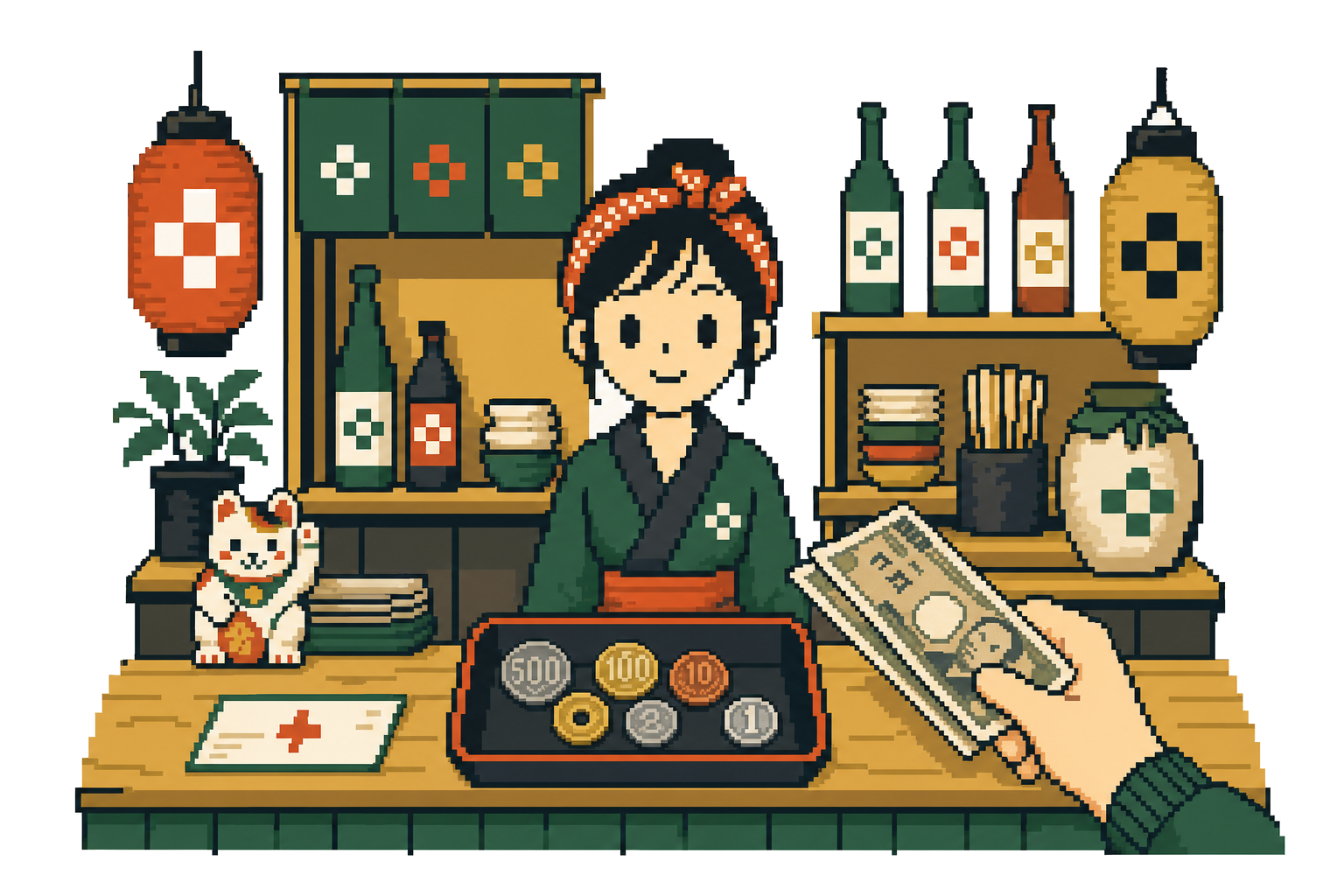
Reduce Tokyo ramen ordering friction before ordering, paying, or asking for help becomes stressful.

Yuki's Short Answer
For Tokyo ramen ticket machine tourists, treat comfort signals as planning tools, not guarantees. Check language support, menu clarity, payment method, group or solo fit, ingredient uncertainty, timing, and one backup before committing.
Decision Table
| Signal or option | What it means for the trip |
|---|---|
| Best fit | ticket machines, ramen ordering, cash, line etiquette, solo counters, and low-communication backups |
| Main risk | getting stuck at the machine during a line because payment, toppings, or ordering order is unclear |
| Backup move | look for photo buttons, prepare cash or accepted payment, and keep another ramen shop nearby |
| OnlyLocal unlock | Traveler-safe comfort signal: language, menu clarity, payment, group fit, ingredient uncertainty, and backups |
Check the comfort friction first
Tokyo ramen ordering can change a meal from easy to awkward fast. Check menu clarity, payment method, communication needs, seating format, and backup options before you enter.
Use comfort as one signal
Picture menus, IC card stickers, counter seats, and English notes are useful clues, but they do not replace queue, price, last order, and backup checks.
Protect the plan with one backup
The backup should preserve the same mood. Look for photo buttons, prepare cash or accepted payment, and keep another ramen shop nearby.
Turn this into tonight's plan
OnlyLocal shows local-good picks with reservation friction, queue risk, language comfort, payment notes, and nearby backups.
Ask Yuki to plan tonight
FAQ
Is Tokyo ramen ordering good for tourists looking for food?
Often yes, but comfort depends on the exact restaurant, staff bandwidth, payment method, seating format, and how much communication your meal requires.
What should I check before going?
Check menu clarity, payment method, ingredient uncertainty, seat format, group fit, last order, and one nearby backup that feels easier.
Do ramen ticket machines in Tokyo accept credit cards?
Many ramen ticket machines are still cash-only, taking coins and 1,000-yen notes, though newer machines increasingly accept IC cards and sometimes credit cards or QR payments. The safe default is to carry a 1,000-yen note, since older machines often reject 5,000- and 10,000-yen bills. If you only have large bills, staff can usually change them for you.
What happens if I press the wrong button on a ramen ticket machine?
Tell the staff before your bowl is made, and in most shops they will swap the ticket or refund the difference without fuss. A short phrase like "sumimasen, machigaemashita" (sorry, I made a mistake) while showing the ticket is enough. Mistakes are common even among locals, so there is no need to feel embarrassed.
When are ramen shops in Tokyo least crowded?
Mid-afternoon, roughly 2:00 to 5:00pm, is usually the quietest window at ramen shops that stay open through the day. Lunch peaks around noon to 1:30pm and dinner peaks around 7:00 to 8:30pm, so arriving just before opening or between those waves cuts the wait most. Weekday visits are generally calmer than weekends at well-known shops.
Sources and Method
This guide is a traveler decision framework. Official facts are linked below; illustrative scenarios explain the decision process and are not live availability claims.
- ReferenceJapan National Tourism Organization: Japanese Food Etiquette Guideofficial traveler dining-etiquette context
- ReferenceTabelog English: Japan Food & Restaurant Guide for TravelersJapan-native restaurant discovery and reservation signal
- ReferenceTableCheck FastPass diner helpqueue and priority-seating friction
Comfort and Payment
Related Guides
 Tokyo Halal Food for Tourists
A practical traveler guide to Tokyo halal food tourists, with queue, reservation, language, payment, timing, and backup-plan notes.
Tokyo Izakaya Etiquette for Tourists
A practical traveler guide to Tokyo izakaya etiquette tourists, with queue, reservation, language, payment, timing, and backup-plan notes.
Tokyo Kid-Friendly Restaurants for Tourists
A practical traveler guide to Tokyo kid-friendly restaurants tourists, with queue, reservation, language, payment, timing, and backup-plan notes.
Tokyo Halal Food for Tourists
A practical traveler guide to Tokyo halal food tourists, with queue, reservation, language, payment, timing, and backup-plan notes.
Tokyo Izakaya Etiquette for Tourists
A practical traveler guide to Tokyo izakaya etiquette tourists, with queue, reservation, language, payment, timing, and backup-plan notes.
Tokyo Kid-Friendly Restaurants for Tourists
A practical traveler guide to Tokyo kid-friendly restaurants tourists, with queue, reservation, language, payment, timing, and backup-plan notes.