 OnlyLocal
Tokyo sushi guide for tourists
Tokyo sushi guide for tourists: choose by budget and friction
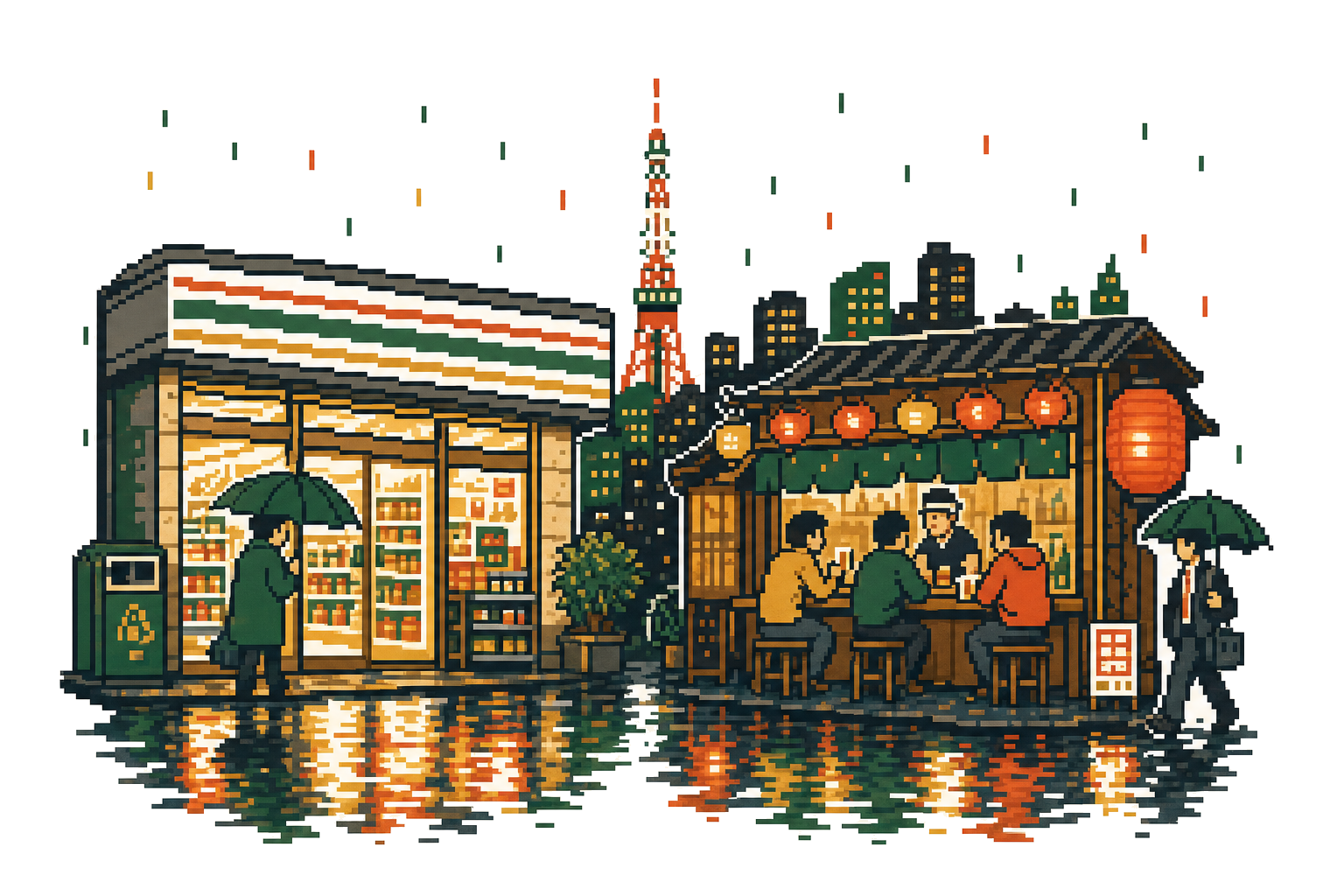
Choose a sushi plan that fits budget, booking difficulty, and language comfort.

Yuki's Short Answer
Choose the sushi format before the restaurant. Conveyor-belt and standing sushi are the easiest budget walk-ins; a sit-down set is the middle lane; premium omakase usually needs advance booking. Then check queue, language, payment, last order, and one nearby sushi backup instead of chasing one famous counter.
Decision Table
| Signal or option | What it means for the trip |
|---|---|
| Conveyor belt | Budget-friendly, touchscreen often available, walk-in likely; peak-time queue risk |
| Standing sushi | Fast, compact, good for solo travelers or pairs; limited space and little luggage room |
| Sit-down set | GO TOKYO gives a historical guide of about ¥2,000–¥3,000 at lunch and ¥5,000+ at dinner; verify current menus |
| Premium counter / omakase | Small seat count, fixed course, advance reservation and cancellation rules likely |
| Language · payment · last order | Confirm menu clarity, card/cash, course details, age policy, and final seating time |
| Fallback | Keep a same-format sushi option near the same station; do not make the backup another cross-city mission |
Choose the format before the name
Conveyor-belt, standing sushi, a casual sit-down set, and omakase solve different trip needs. Pick the experience, maximum spend, group fit, and time limit first. Only then compare restaurants inside that lane.
Reservation and queue
Casual conveyor-belt and standing shops often accept walk-ins, but popular branches can build long queues. For a specific premium counter, check the restaurant's own booking page before the trip, read cancellation and card-hold terms, and do not assume an empty-looking counter has walk-in seats.
Language, payment, and last order
Touchscreens, picture menus, a clearly priced course, and online booking reduce language friction. Confirm whether cards are accepted, whether the course is prepaid, and the final seating or last-order time. Small counters can be cash-only or course-only regardless of price.
Etiquette: keep it simple
JNTO and GO TOKYO both say hands are acceptable for nigiri. Use soy sauce lightly on the fish side, do not pass food chopstick-to-chopstick, and avoid strong perfume at a small counter. Treat etiquette as courtesy, not a test that should make you avoid sushi.
Fallback: preserve the sushi plan
Save one nearby option in the same format: another conveyor branch, a standing counter, a department-store sushi floor, or a clearly priced lunch set. If the first choice is full, closed, or past last order, the backup should take minutes—not another train ride.
Turn this into tonight's plan
OnlyLocal shows local-good picks with reservation friction, queue risk, language comfort, payment notes, and nearby backups.
Ask Yuki to plan tonight
FAQ
Do I need reservations for sushi in Tokyo?
Reserve a specific premium counter or omakase in advance. Conveyor-belt, standing sushi, and many casual shops accept walk-ins, but famous branches can still have long peak-time queues.
How much should tourists budget for sushi in Tokyo?
Budget depends on format. JNTO notes supermarket sushi can cost under ¥600 and conveyor plates can start around ¥100, while GO TOKYO's older official guide gives roughly ¥2,000–¥3,000 for a sit-down lunch set and ¥5,000+ for dinner. Check the restaurant's current menu because prices change.
What is the easiest Tokyo sushi format without Japanese?
A conveyor-belt chain with a multilingual touchscreen or a clearly priced lunch set is usually easiest. Still check the branch's queue, payment method, and last order before going.
What sushi etiquette do tourists actually need to know in Tokyo?
The essentials are simple: eat each piece in one bite where possible, dip fish-side rather than rice-side in soy sauce, and know that eating nigiri with your hands is perfectly acceptable. At small counters, avoid strong perfume and do not occupy seats long after finishing during busy hours. Staff at most places are forgiving with visitors, so treat these as guidelines rather than tests.
Do sushi restaurants in Tokyo accept credit cards?
Conveyor chains, department-store sushi, and most mid-range restaurants accept cards, but some small traditional counters remain cash-only even at high price points. For omakase bookings, confirm the payment method in advance, since the bill can be substantial. There is no tipping in Japan, so the listed or quoted price is the full amount.
Can I bring kids to a sushi restaurant in Tokyo?
For conveyor belt and casual sushi, absolutely; those formats are built for families. Small premium omakase counters are a different story: some have minimum-age policies and many are quiet, adult-paced rooms where a long seated course is hard for children. If a high-end sushi meal matters to your trip, check the age policy when booking or plan it as an adults-only lunch.
Sources and Method
This guide is a traveler decision framework. Official facts are linked below; illustrative scenarios explain the decision process and are not live availability claims.
- ReferenceJapan National Tourism Organization: Japanese Food Etiquette Guideofficial traveler dining-etiquette context
- ReferenceTabelog English: Japan Food & Restaurant Guide for TravelersJapan-native restaurant discovery and reservation signal
- ReferenceJapan National Tourism Organization: Sushi in Japan Guideofficial sushi formats, price range, reservation, and etiquette context
- ReferenceGO TOKYO: A Guide to Eating Sushi in Tokyoofficial Tokyo sushi tiers, indicative prices, and etiquette
- ReferenceTableCheck FastPass diner helpqueue and priority-seating friction
Trip Rescue
Related Guides
 Tokyo Restaurant Last Order: A Tourist Guide
A practical traveler guide to Tokyo restaurant last order, with queue, reservation, language, payment, timing, and backup-plan notes.
Tokyo Cash-Only Restaurants: What Tourists Should Know
A practical traveler guide to Tokyo cash only restaurants tourists, with queue, reservation, language, payment, timing, and backup-plan notes.
Tokyo Restaurant Full? What to Do Next
A trip-rescue guide for when a Tokyo restaurant is full: how to choose a same-mood backup without losing the night.
Tokyo Restaurant Last Order: A Tourist Guide
A practical traveler guide to Tokyo restaurant last order, with queue, reservation, language, payment, timing, and backup-plan notes.
Tokyo Cash-Only Restaurants: What Tourists Should Know
A practical traveler guide to Tokyo cash only restaurants tourists, with queue, reservation, language, payment, timing, and backup-plan notes.
Tokyo Restaurant Full? What to Do Next
A trip-rescue guide for when a Tokyo restaurant is full: how to choose a same-mood backup without losing the night.